Mongolian Ground Beef Noodles (25 Minutes, Better Than Takeout)
by Jessica | June 22, 2026 3:32 pm
Mongolian Ground Beef[1] Noodles (25 Minutes, Better Than Takeout)
By Jessica, home cook and recipe developer at Lady’s Universe. Jessica tests every recipe on this site in her own kitchen before it’s published, usually more than once.
Key Takeaways
- Ready in 25 minutes, using ground beef, lo mein or ramen noodles, and a soy-hoisin sauce.
- Feeds four for roughly $8-10, well below the $15-18 typically charged for Mongolian beef alone at Chinese-American takeout spots.
- Despite the name, the dish has no ties to Mongolia. It was invented in Taiwan in the 1950s.
You know those dinners that somehow taste like you spent way more time and money than you actually did? This is one of those.
Mongolian ground beef noodles have been on our dinner table more times than I can count. Not once has anyone pushed the plate away.
The whole thing comes together in about 25 minutes: one pound of ground beef, a box of noodles, and a handful of pantry sauces you probably already have in your fridge door. The sauce is sweet, salty, and just sticky enough that it coats every strand of noodle and every crumble of beef.
My family calls this the “better than the restaurant” version. That’s the highest compliment they give anything.
Here’s the budget reality too: this feeds four people for somewhere between $8 and $10, depending on your grocery store. Compare that to Mongolian beef at a Chinese-American takeout spot, easily $15-18 for the beef alone before noodles, and this recipe just makes sense on a Tuesday.
What Exactly Is Mongolian Beef, and Why Ground Beef Works Better
Despite the name, Mongolian Ground Beef Noodles has nothing to do with Mongolian cuisine. According to Wikipedia’s sourced history of the dish, it originated in Taiwan, where “Mongolian barbecue” restaurants first appeared in the 1950s, and none of the ingredients or preparation methods trace back to actual Mongolian cooking (Wikipedia[2], 2026). When Chinese-American restaurants adapted the style for the U.S. market, it became the sweet, savory, soy-glazed stir-fry that shows up on nearly every takeout menu today.
The classic restaurant version uses thinly sliced flank steak, dusted in cornstarch and flash-fried in a very hot wok. It’s delicious, but fussy. The beef has to be cut against the grain, the oil has to hit the right temperature, and the starch coating has to be even or you get clumping. That’s a lot to manage on a weeknight.
Ground beef skips all of that. You lose none of the flavor (the sauce does the heavy lifting anyway) and you gain about 15 minutes back. The fat in the beef also helps the sauce cling in a way that lean steak often can’t. For a weeknight, the ground beef version wins. No contest.
Why You’ll Love This Recipe
- 25 minutes start to finish. Noodles boil while the beef browns, and the timing lines up almost perfectly if you start them together.
- One pan for the sauce and beef. The only other thing you’ll dirty is the pot for the noodles.
- Pantry-friendly. Keep soy sauce, hoisin, brown sugar, and garlic on hand, and you’re most of the way there.
- Kid-approved. The sweetness in the sauce makes this easy for picky eaters. The red pepper flakes are optional.
- Scales up easily. Feeding six or eight? Just double the ingredients. The sauce is forgiving.
- Under $10 for four servings. Ground beef is one of the most budget-friendly proteins available, and noodles are cheap.
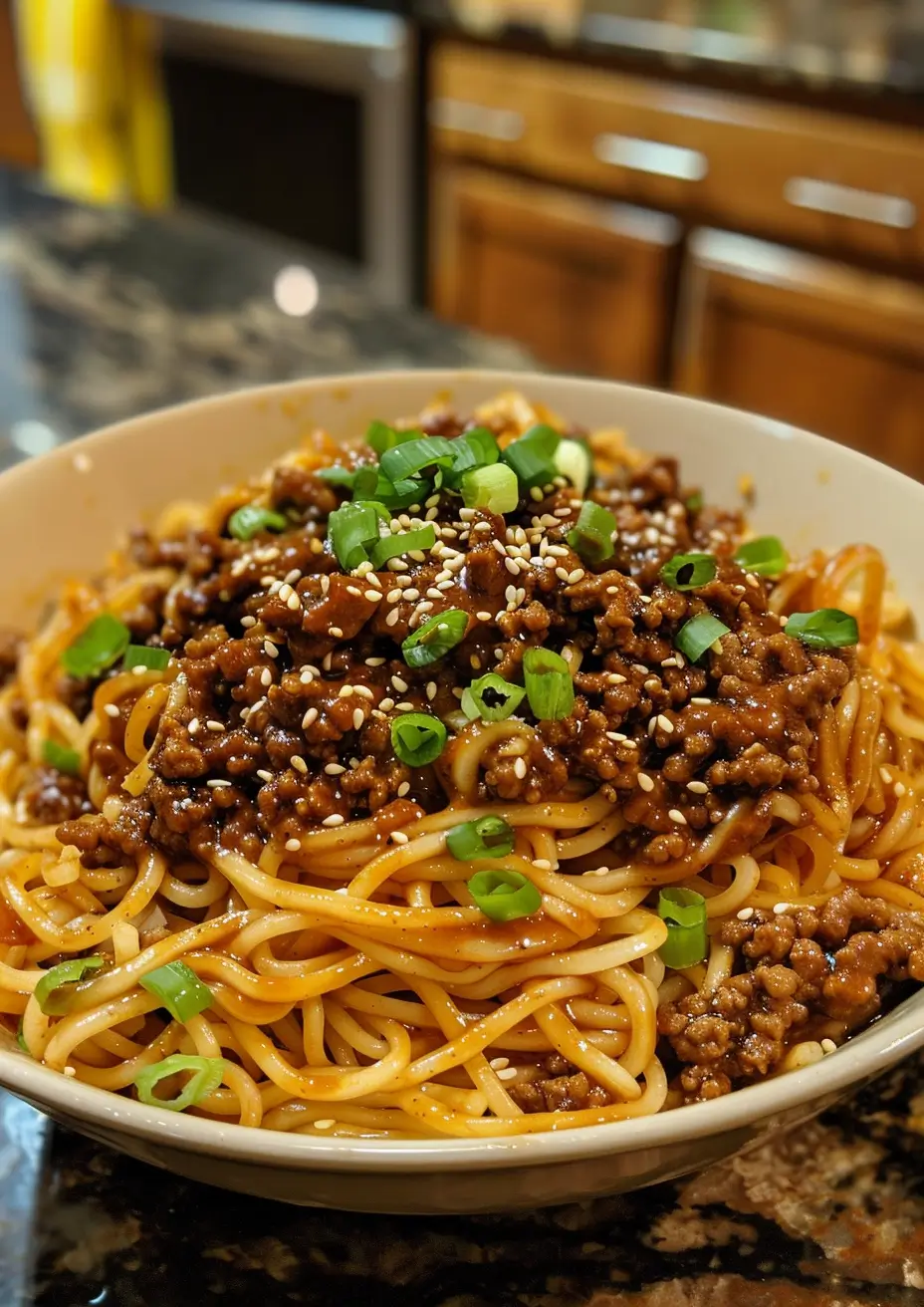
What Makes This Recipe Different
A lot of Mongolian Ground Beef Noodles skip hoisin sauce or use ground ginger from a jar. Both shortcuts cost you something.
Hoisin gives the sauce its depth. It brings sweetness, a little tang, and a roasted, almost smoky undertone that soy sauce alone can’t replicate, sort of like the Asian equivalent of Worcestershire. You can skip it, but you’ll notice the difference.
Fresh ginger is the other non-negotiable. Dried ground ginger tastes completely different: earthier, more muted. Fresh ginger has a bright, almost floral heat that wakes up the whole sauce. A small knob from the produce section costs almost nothing and keeps for weeks in the fridge.
There’s one more thing this recipe does that most skip: it blooms the garlic and ginger separately, pushed to one side of the pan in the residual fat after the beef cooks. That 90-second bloom concentrates their flavor in a way that just stirring them into the beef never quite achieves. Small step, real difference.
Equipment You’ll Need
- Large skillet or wok (12-inch minimum): you need room to toss the noodles without them flying out of the pan.
- Large pot: for boiling the noodles, at least 4 quarts.
- Tongs: essential for tossing noodles into the sauce without breaking them.
- Two small bowls: one for the sauce, one for the cornstarch slurry.
- Box grater or microplane: for grating fresh ginger quickly.
Ingredient Notes
| Ingredient | Amount | Why It’s Here / Substitutions |
|---|---|---|
| Lean ground beef | 1 lb | 80-90% lean. Ground turkey or chicken work too; cook over medium heat so they don’t dry out. |
| Lo mein or ramen noodles | 10 oz | Lo mein gives the best chew. Ramen (discard the seasoning) is a good budget option. Linguine or spaghetti work in a pinch, and their starch helps thicken the sauce naturally. Use rice noodles for gluten-free. |
| Garlic, fresh | 6 cloves | Fresh only. Garlic powder flattens the flavor against this strong a sauce. |
| Ginger, fresh | 1 tbsp grated | Non-negotiable as fresh. Ginger paste is a fine substitute in the same quantity. |
| Low-sodium soy sauce | ½ cup | Keeps salt in check. Regular soy sauce makes this quite salty. Tamari works for gluten-free. |
| Hoisin sauce | 4 tbsp | The secret depth ingredient. Oyster sauce substitutes well. Without either, mix 2 tbsp soy sauce, 1 tbsp honey, and a dash of rice vinegar. |
| Beef broth | ½ cup | Loosens the sauce so it coats rather than clumps. Chicken broth works in a pinch. |
| Brown sugar | ¼ cup | Balances the soy. Coconut sugar or honey can substitute. |
| Sesame oil | 1 tbsp | A finishing oil, not for cooking. Adds a toasty note. Don’t skip it. |
| Cornstarch + cold water | 1 tbsp + 2 tbsp | Thickens the sauce. Skip it if using regular pasta, since the pasta starch does the job. |
| Red pepper flakes | ½ tsp | Background heat. Double for medium-spicy, skip for kids sensitive to heat. |
| Neutral oil | 1 tbsp | For browning the beef. Not olive oil; the flavor doesn’t fit here. |
| Green onions | 4 stalks | Added at the end, uncooked, for freshness and color. |
| Toasted sesame seeds | 1 tbsp | Optional, but adds a pleasant crunch. |
How to Make Mongolian Ground Beef Noodles, Step by Step
Step 1: Prep Your Sauce Before You Start Cooking
Whisk together the soy sauce, hoisin sauce, beef broth, brown sugar, sesame oil, red pepper flakes, and black pepper until the sugar dissolves. In a separate small bowl, stir the cornstarch into the cold water until no lumps remain.
The sauce should look glossy and dark brown, almost like a thin teriyaki glaze. Once the beef is in the pan, things move fast, so having the sauce premixed means one clean pour instead of scrambling to measure while something burns.
Step 2: Cook the Noodles (Slightly Underdone)
Bring a large pot of water to a boil and salt it well; it should taste pleasantly salty, not sea-water salty. Cook the noodles according to package directions, but pull them 1-2 minutes early so they’re just barely underdone.
Drain and set aside without rinsing. You want to keep that surface starch, since it helps the sauce cling. Start the noodles when the beef goes in the pan; they’ll finish around the same time.
Step 3: Brown the Ground Beef
Heat the neutral oil in a large skillet or wok over medium-high heat. When the oil shimmers and a drop of water flicked in sizzles immediately, add the ground beef.
Break it up with a wooden spoon into small, even crumbles, but don’t stir too much for the first two minutes. Let the beef get some color first. You’re looking for deep brown crumbles, not just grey, since that browning is where the flavor lives.
If the beef is releasing a lot of liquid and steaming instead of browning, the pan is overcrowded or not hot enough. Turn up the heat and resist stirring constantly so the moisture can evaporate. Once cooked through, drain off excess fat, leaving just a thin film in the pan.
Step 4: Bloom the Garlic and Ginger
Push the cooked beef to one side of the pan. Add the minced garlic and grated ginger to the empty space and let them sizzle in the residual fat for 60-90 seconds, until fragrant and just starting to turn golden.
Your kitchen will smell incredible at this point: sharp, warm, savory. If it smells bitter instead, the heat is too high. Stir the garlic and ginger into the beef once bloomed. If the garlic browns too dark too fast, drop to medium heat and add a small splash of broth to cool the pan.
Step 5: Build the Sauce
Pour the pre-mixed sauce over the beef and stir to combine. The pan will sizzle loudly and steam; that’s normal. Bring it to a gentle simmer over medium heat.
Once simmering, pour in the cornstarch slurry while stirring constantly. Cook 2-3 minutes, until the sauce thickens and coats the back of a spoon in a glossy layer. Taste it here. It should taste slightly more intense than you want, since the noodles will dilute and mellow everything once they go in.
Step 6: Toss in the Noodles
Add the drained noodles directly to the skillet and use tongs to toss everything together, making sure noodles are separated and fully coated. Cook together for another 1-2 minutes over medium heat, tossing continuously.
Every strand should end up coated in the dark, glossy sauce. If the sauce seems too thick and noodles are clumping, add a splash of beef broth and toss again. Taste one more time and adjust with a pinch of salt or sugar if needed.
Step 7: Plate and Serve
Divide into bowls immediately, since this dish is best served hot. Top with sliced green onions and toasted sesame seeds, and serve right away.
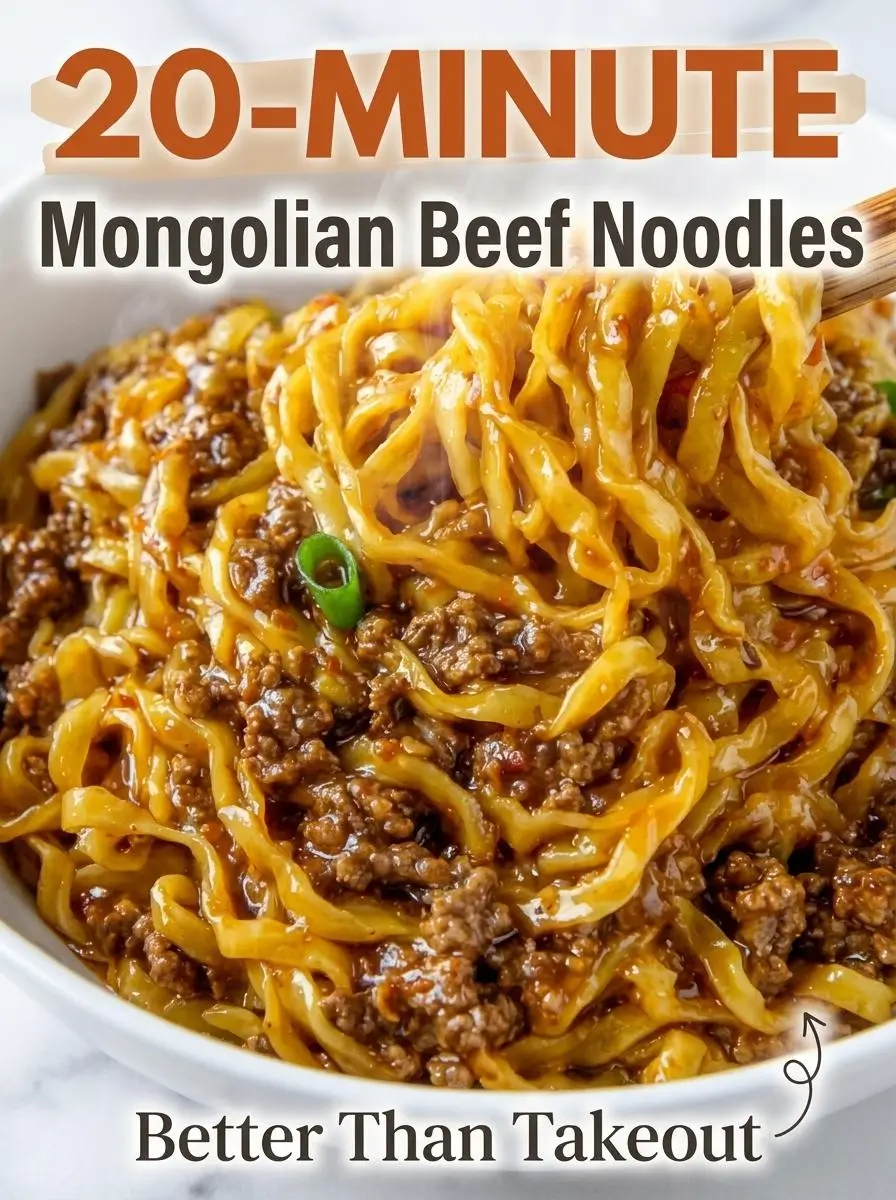
Expert Tips for the Best Mongolian Ground Beef Noodles
Undercook the noodles on purpose. They finish cooking in the sauce and absorb flavor rather than just sitting coated in it; fully cooked noodles go mushy once tossed in hot sauce.
Don’t skip tasting the sauce before the noodles go in. It should taste slightly too intense at this point: bold, a little salty, noticeably sweet. Once the noodles absorb it, everything mellows, and if you balance it perfectly too early, it’ll taste flat afterward.
Let the beef get some color. The temptation is to stir constantly. Resist it. A minute or two of undisturbed cooking gives the beef crumbles a slightly caramelized exterior that adds real flavor. Grey, steam-cooked beef works, but it tastes blander.
Common Mistakes to Avoid
Using regular soy sauce instead of low-sodium. This is the number one reason people find the dish too salty. Half a cup of regular soy sauce carries a lot of sodium, and low-sodium lets you control the final result.
Skipping hoisin sauce. The dish tastes noticeably flatter without it. If you don’t have it, use the substitution in the ingredient notes above, but add something.
Adding garlic and ginger too early. Going in raw with the beef means they steam instead of bloom, and the flavor payoff drops.
Rinsing the noodles after draining. This washes away the surface starch that helps the sauce cling. Drain only, no rinsing.
Using dried ginger instead of fresh. Dried ginger is warmer and earthier; fresh is bright and sharp. For this sauce, you want fresh.
Variations Worth Trying
Spicy Mongolian Noodles: Double the red pepper flakes to 1 teaspoon and stir a tablespoon of chili crisp or sriracha into the sauce before adding the noodles.
Vegetable Add-Ins: Broccoli, bell peppers, shredded carrots, snap peas, or mushrooms all work. Sauté them first, set aside, cook the beef, then add everything back with the sauce. Make about 25% more sauce to cover the extra volume.
Ground Turkey or Chicken Version: Both work well. Cook over medium rather than medium-high, since leaner proteins dry out faster. The sauce carries the flavor regardless.
Rice Noodle Version (Gluten-Free): Use rice noodles and swap the soy sauce for tamari. Follow package directions, since rice noodles often just need soaking rather than boiling. Swap the hoisin for a gluten-free version too (San-J makes a good one).
Low-Sugar Version: Reduce brown sugar to 2 tablespoons and add 1 tablespoon of rice vinegar to balance. The sauce will be slightly less glossy but still good. Coconut sugar works as a lower-glycemic substitute.
Make-Ahead, Storage, Reheating, and Freezing
The beef and sauce can be made up to 2 days ahead. Cook through Step 5, let it cool completely, and refrigerate in an airtight container. When ready to serve, reheat the beef mixture in a skillet while boiling fresh noodles, then toss together. Don’t premix noodles into the sauce for storage; they’ll absorb everything overnight and won’t reheat well.
Leftovers keep in an airtight container in the fridge for up to 3 days. The noodles will keep absorbing sauce as they sit, so the dish will look drier the next day. That’s normal.
Stovetop reheating (best method): add leftovers to a skillet over medium-low heat with 2-3 tablespoons of beef broth or water, tossing as it warms. About 3-4 minutes.
Microwave: cover loosely in a microwave-safe bowl with a splash of water or broth, and heat in 60-second intervals, stirring between each. Usually 2-3 rounds.
Freezing: freeze the beef and sauce separately from the noodles for the best texture. It keeps up to 3 months. Thaw overnight in the fridge, reheat in a skillet, and cook fresh noodles to serve. Freezing the combined dish works too, though the noodles will be softer after thawing.
What to Serve with Mongolian Ground Beef Noodles
- Simple cucumber salad: thin cucumber slices with rice vinegar, sesame oil, and a pinch of sugar. The acidity cuts through the richness.
- Steamed or roasted broccoli: tossed with garlic and a drizzle of soy sauce.
- Egg drop soup: light, fast, and makes the meal feel more complete.
- Crispy egg on top: a fried egg with a runny yolk breaks into the sauce beautifully.
- Asian slaw: shredded cabbage, carrots, and green onions with a sesame-ginger dressing.
Frequently Asked Questions
What noodles work best for Mongolian ground beef noodles?
Lo mein noodles are the best match for chew and sauce absorption. Ramen (noodles only, skip the seasoning packet) is a solid budget option. Linguine or spaghetti work as pantry substitutes, and rice noodles work well for gluten-free.
Is Mongolian beef actually from Mongolia?
No. According to Wikipedia, the dish originated in Taiwan and has no connection to Mongolian cuisine at all (Wikipedia[2], 2026). The name stuck for marketing reasons, and here we are.
Can I make this ahead of time?
Yes. Cook the beef and sauce up to 2 days ahead and refrigerate. Reheat and toss with freshly boiled noodles when ready to serve.
Can I freeze Mongolian ground beef noodles?
Freeze the beef and sauce separately from the noodles for best results, up to 3 months. Thaw overnight, reheat in a skillet, and cook fresh noodles.
How do I keep the sauce from getting too thick?
Add 2-3 tablespoons of beef broth and toss over medium-low heat, especially when reheating leftovers.
What can I use instead of hoisin sauce?
Oyster sauce is the closest substitute in equal amounts. Without either, mix 2 tablespoons of soy sauce with 1 tablespoon of honey and a dash of rice vinegar.
How spicy is this?
Mild-to-medium with ½ teaspoon of red pepper flakes. Skip them for no heat, double for medium, or add a tablespoon of chili crisp for genuinely spicy.
Can I use ground turkey or chicken instead of beef?
Yes, both work well. Cook at medium heat since they dry out faster than beef.
Why does my sauce taste too salty?
Likely regular soy sauce instead of low-sodium, or a high-sodium hoisin brand. Add a splash more broth and a small pinch of brown sugar to balance.
Can I add vegetables?
Yes. Broccoli, bell peppers, mushrooms, snap peas, shredded carrots, and baby bok choy all work. Sauté them before the beef, then add back in with the sauce, increasing the sauce by about 25%.
Nutrition Information (Per Serving, Approximate)
| Calories | ~480 kcal |
| Protein | ~28g |
| Carbohydrates | ~55g |
| Fat | ~14g |
| Saturated Fat | ~5g |
| Sodium | ~1,350mg |
| Sugar | ~14g |
| Fiber | ~2g |
Nutrition is estimated and varies based on noodle type, ground beef fat percentage, and brand differences in soy sauce and hoisin. Calculated using low-sodium soy sauce and 85% lean ground beef.
Final Thoughts
Mongolian ground beef noodles become a permanent part of the dinner rotation without much debate. It’s fast enough for a weeknight, cheap enough for a tight budget week, and good enough that people ask for it again. The sauce does most of the work; make it a couple of times and you’ll start eyeballing it from memory.
If you try this, remember two things: undercook the noodles by a minute or two, and taste the sauce before the noodles go in. Those two habits improve every version of this dish.
If you liked this, you might also enjoy this 3-ingredient slow cooker beef stew[3] for another quick weeknight noodle dinner.
Mongolian Ground Beef Noodles
Sweet, savory, perfectly saucy — a 25-minute dinner that costs under $10 and beats takeout every time.
- 1 lb lean ground beef (80-90%)
- 10 oz lo mein (ramen, or linguine noodles)
- 6 garlic cloves (minced)
- 1 tablespoon fresh ginger (grated)
- ½ cup low-sodium soy sauce
- 4 tablespoons hoisin sauce
- ½ cup beef broth (low sodium)
- ¼ cup brown sugar (packed)
- 1 tablespoon sesame oil
- 1 tablespoon cornstarch
- 2 tablespoons cold water
- ½ teaspoon red pepper flakes
- ½ teaspoon black pepper
- 1 tablespoon neutral oil
- 4 green onions (sliced)
- 1 tablespoon toasted sesame seeds
- Whisk together soy sauce, hoisin, beef broth, brown sugar, sesame oil, red pepper flakes, and black pepper. In a separate small bowl dissolve cornstarch in cold water. Set both aside.
- Boil noodles 1-2 minutes less than package directions. Drain but do not rinse. Set aside.
- Heat oil in a large skillet over medium-high heat. Add ground beef, break into crumbles, and cook until well browned with no pink remaining, about 5-6 minutes. Drain excess fat.
- Push beef to one side. Add garlic and ginger to the empty space and cook 60-90 seconds until fragrant. Stir into the beef.
- Pour sauce over the beef and stir to combine. Bring to a gentle simmer, then stir in the cornstarch slurry. Cook 2-3 minutes until the sauce thickens and coats everything in a glossy layer.
- Add drained noodles and toss with tongs until fully coated. Cook together 1-2 more minutes. Taste and adjust seasoning.
- Serve immediately topped with sliced green onions and toasted sesame seeds.
Use low-sodium soy sauce — regular makes this too salty.
Fresh ginger only — dried tastes completely different here.
Undercook noodles by 1-2 minutes — they finish cooking in the sauce.
Taste the sauce before adding noodles — it should taste bold, the noodles will mellow it.
Leftovers: reheat with a splash of beef broth to loosen the sauce.
 [4]
[4]
- Beef: https://ladysuniverse.com/?s=Beef
- Wikipedia: https://en.wikipedia.org/wiki/Mongolian_beef
- 3-ingredient slow cooker beef stew: https://ladysuniverse.com/slow-cooker-3-ingredient-beef-stew-noodles/
- [Image]: //www.pinterest.com/pin/create/button/
Source URL: https://ladysuniverse.com/mongolian-ground-beef-noodles-2/