My sister sent me this recipe four times. The fourth time she sent it with a voice memo that was just her saying “JAMIE.” I still waited another two months. I was convinced it was one of those things that looks incredible in a video and tastes like warm cheese on pasta, which — I mean, that’s not nothing, but it’s also not dinner.
I made it eventually. On a Wednesday. I had half a punnet of cherry tomatoes that were starting to wrinkle and a block of feta I’d bought for a salad I never made, and I thought fine, might as well. Forty minutes later I was standing at the kitchen counter eating it out of the baking dish with a serving spoon because I couldn’t be bothered to plate it. My partner came in and said “are you just… eating out of the pan?” and I said yes and did not stop.
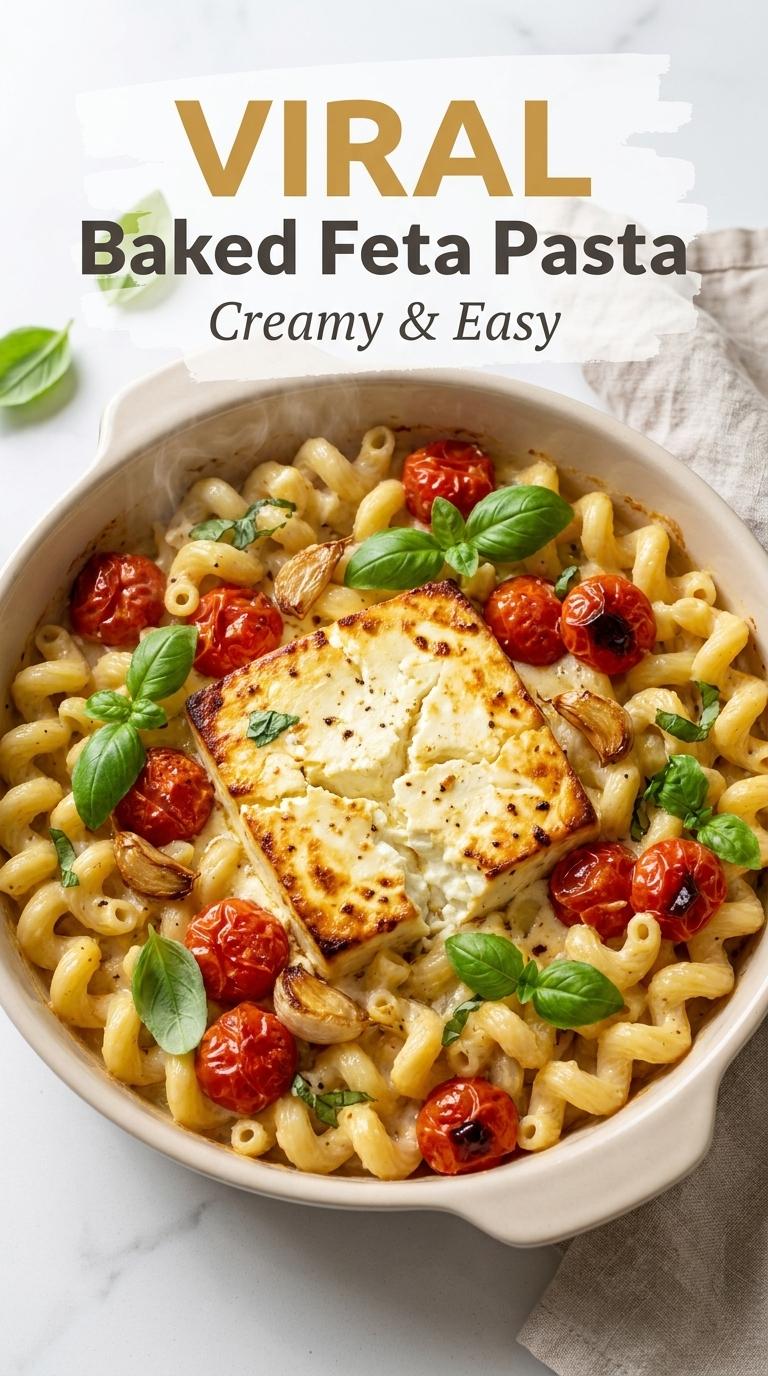
It really is as good as advertised. A block of feta and some cherry tomatoes in a baking dish with olive oil, 35 minutes in a hot oven, smash into a sauce, toss the pasta through it. One dish, one pot, done. I don’t know why I waited so long.
Why It Works
Feta behaves weirdly in the oven and it’s worth understanding before you start, mostly so you don’t open the oven at 30 minutes expecting liquid cheese and panic when it looks solid. It won’t fully melt on its own. What happens instead is the outside goes golden, the inside goes soft and yielding, and the second you press a spoon into it and add a bit of pasta water, it collapses into a sauce. Pre-crumbled feta won’t do any of this — the anti-caking agents in the bagged stuff stop it from softening at all, so buy a block.
The tomatoes are the other half of the sauce. At high heat they blister and eventually burst, releasing their juice right into the olive oil pooled around the feta. By the time the dish comes out there’s already something that looks like a sauce happening — orange-pink, slightly oily, smelling very good. You’re not building anything from scratch. You’re just combining what’s already there.
Pasta water matters more than it sounds like it should. The starch in it is what stops the sauce from turning into a greasy mess when you add the pasta. A quarter cup, stirred in before you add the pasta, pulls everything together. I’ve made this without it and made this with it and the difference is real.
The garlic is easy to underestimate. Six cloves sounds like a lot going in raw but they roast in the oil for the full 35 minutes and come out completely different — soft, sweet, almost nutty. Smash them straight into the sauce before the pasta goes in. If you add the chilli flakes too, the heat cuts through what would otherwise be a pretty rich sauce.
Ingredients
| Ingredient | Amount | Notes |
|---|---|---|
| Block of feta | 200g / 7 oz | Has to be a block, in brine — not the pre-crumbled kind |
| Cherry tomatoes | 500g / about 3 cups | Don’t halve them. Let them burst whole. |
| Pasta | 350g / 12 oz | Rigatoni if you have it; penne or fusilli work too |
| Extra virgin olive oil | 80ml / ⅓ cup | It’s basically part of the sauce so use something decent |
| Garlic cloves | 5–6, whole or lightly crushed | Don’t skimp |
| Salt and black pepper | To taste | Go light — the feta is already salty |
| Fresh basil | A handful | Not essential but really good |
| Chilli flakes | ½ tsp | Optional; recommended |
Let’s Make It
Preheat your oven to 200°C / 400°F.
Set up the dish. Put the feta block in the center of a 9×13-inch baking dish (or something close to that size — you want the tomatoes to have room to spread out, not pile up). Scatter the tomatoes around it, then the garlic cloves. Add chilli flakes and black pepper. Pour the olive oil over everything and tilt the dish so it runs under the feta and around the tomatoes.
Kitchen chatter: Crowded tomatoes steam instead of blister. If your dish is small, use two dishes. Blistered and slightly charred is what you want — not pale and soft.
Bake uncovered for 35–40 minutes. You’re looking for: tomatoes fully burst and a bit charred at the edges; feta golden on top, soft when you press it; a pool of orange-pink oil and tomato juice around everything.
Cook the pasta while the feta is in the oven. Salt the water well. Pull it out about a minute before the package says — it finishes cooking in the sauce. Before you drain it, scoop out at least half a cup of the pasta water and put it somewhere you won’t accidentally pour it down the sink.
Kitchen chatter: Put a mug next to the stove right now so you remember. Pouring out all the pasta water is the most common way this recipe goes sideways.
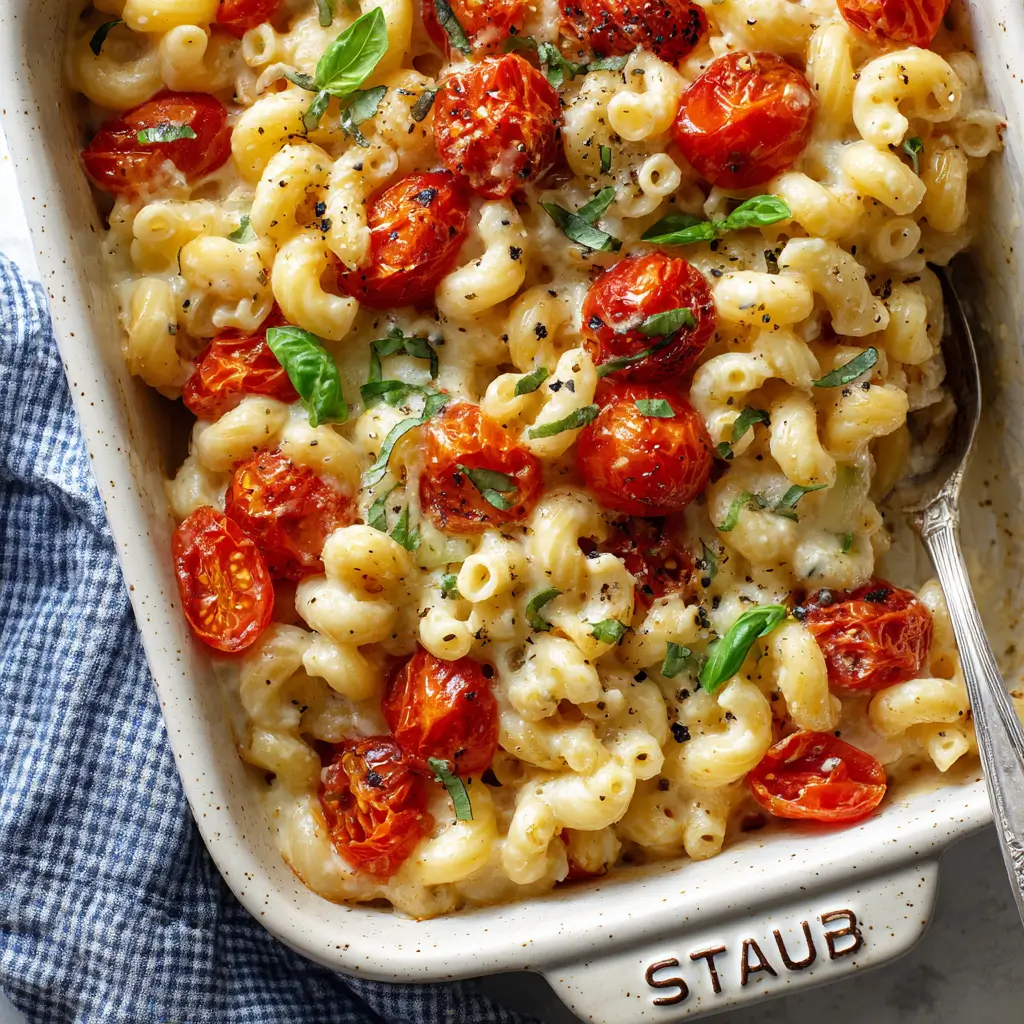
Make the sauce. Take the baking dish out of the oven. Use a fork to smash the feta and mash down any tomatoes that haven’t fully burst. Pour in about ¼ cup of the reserved pasta water and stir everything together. It should look creamy and a bit loose — if it looks thick or gluey, add more pasta water.
Add the pasta straight into the baking dish. Toss until every piece is coated. Taste it — add salt if it needs it, but it probably won’t. Scatter basil over the top and serve from the dish.
Tips, Swaps, and Storage
The pre-crumbled feta thing is worth repeating because it genuinely ruins the recipe. The bags of crumbled feta have coatings that stop the cheese from softening in the oven — you get dry, grainy lumps that don’t integrate into a sauce no matter how hard you stir. Buy a block. Keep it in the brine until you’re ready to use it.
Rigatoni is the pasta I’d use every time. The hollow centers and ridged exterior actually hold the sauce rather than just having it slide off. Spaghetti works in the sense that it tastes fine, but it’s slippery and messier to eat. Penne or fusilli are both good options.
For protein: raw shrimp tossed into the baking dish for the last 8–10 minutes poach nicely in the tomato oil. A can of white beans stirred in before the pasta makes it filling enough to be a real meal and keeps it vegetarian.
Veg additions that work: baby spinach stirred in right at the end (it wilts in about 30 seconds from the heat of the dish), zucchini or asparagus cut small and roasted alongside the tomatoes.
Leftovers keep in the fridge for 3 days. The sauce goes quite thick when cold — when you reheat it, add a splash of water or stock and stir it in the pan over low heat. It comes back together. Don’t freeze it; the pasta turns mushy and the sauce breaks.
Nutrition (Per Serving, Serves 4)
| Per Serving | |
|---|---|
| Calories | ~620 kcal |
| Protein | 20g |
| Carbohydrates | 68g |
| Fat | 28g |
| Saturated Fat | 10g |
| Fibre | 5g |
| Sodium | ~810mg |
| Sugar | 8g |
Estimates based on standard block feta, rigatoni, and full olive oil quantity. Values will vary by brand and pasta type.